Daily Care & Feeding
Senior Dog Care: Adjusting Walks, Bedding and Routines
Published September 14, 2026Last reviewed September 16, 2026
Age shows up first in the everyday, in shorter walks, better grip under the bed and softer sleeping surfaces. The routine changes that help older dogs, traction, joint comfort, hydration and regular vet check-ins, are small, and knowing when a change is worth a veterinary visit matters just as much.
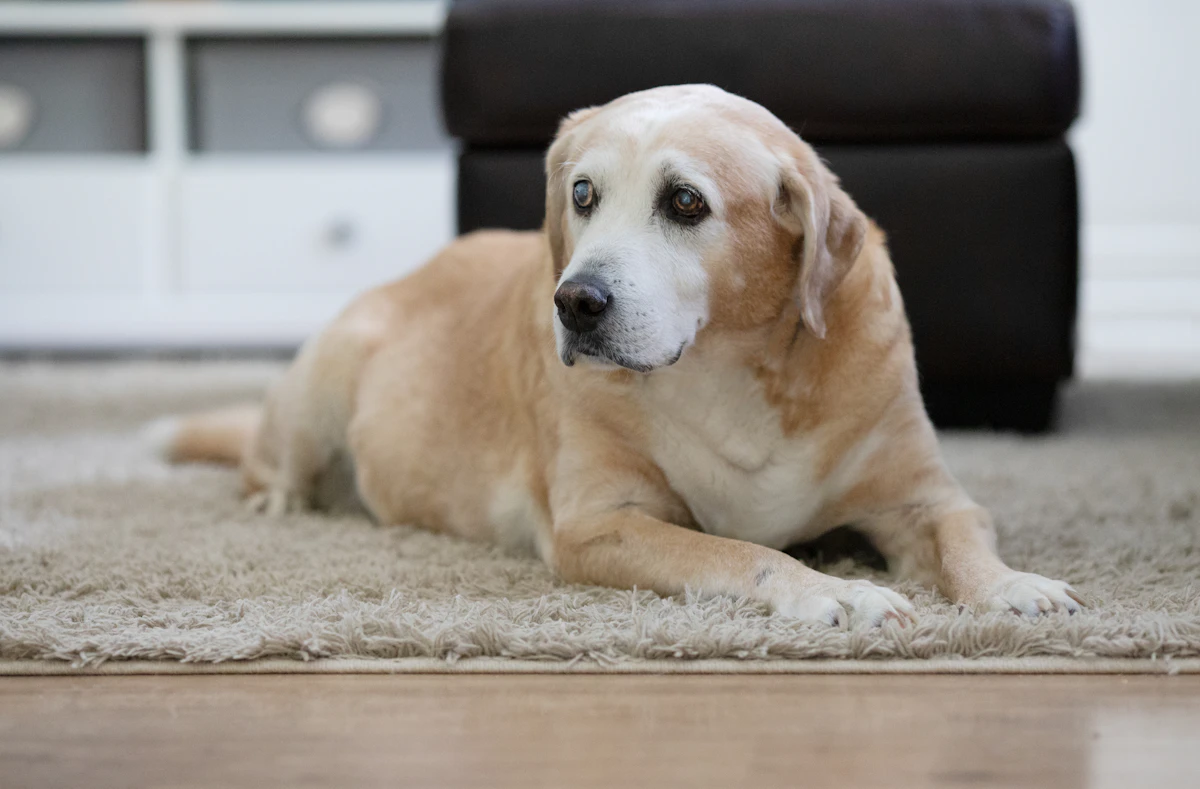
Four areas, small changes
- Walks
- Bedding
- Traction
- Routines
The dog who used to launch herself onto the couch now stands at the edge for a long moment before climbing up. The walk that used to take twenty minutes takes thirty, with more sniffing and less pulling. None of this is an emergency, and none of it is "just old age" either. It is a list of small adjustments waiting to be made.
There is no single age when a dog becomes senior. Veterinary resources generally describe a dog as senior once it reaches about 75% of its breed's average lifespan, which can mean five or six years for a giant breed like a Great Dane, and ten to twelve years for a small breed. The practical upshot is that senior arrives on different calendars, and the adjustments below start whenever your vet says your dog has entered that window.
None of these changes are about treating an old dog like a patient. They are about removing small daily frictions, a slippery floor, a hard step, a walk that is now too long, before they become problems. Most of the work is observation, and most of the fixes cost little more than attention.
Make the vet visit the starting point
Before changing anything at home, make sure the routine includes a veterinary exam at least twice a year. Many age-related changes are subtle, and a regular checkup catches them earlier than waiting for obvious signs. Early is cheaper in every sense. Weigh your dog on the same scale at least every two months. Weight change is one of the earliest indicators of disease, and keeping a senior dog at a healthy weight reduces strain on joints and supports a better quality of life. If you only keep one habit from this article, let it be this one.
Bring notes to the appointment. What the dog ate, how much water went down, how the walks went, anything new you felt while brushing. Vets work from what you can describe, and a written sketch beats a month of vague impressions. Ask what the visit should include at this age. Many senior checkups add bloodwork or a closer look at teeth, joints and eyes, and knowing what is being screened makes the yearly appointment easier to plan for. If the vet offers a baseline now, take it. A number from last year is exactly what makes "something changed" detectable this year.
Adjust walks to the dog in front of you
A senior dog's exercise needs change even when its enthusiasm does not. The dog that pulled toward the park for eight years may now want the same park at half the pace, and that is fine. Shorter, more frequent outings beat one long walk, because a tired joint recovers better from several gentle sessions than from a single over-ambitious one. Let the dog set the pace: sniffing and slow wandering count as the walk, and they are stimulation, not wasted time.
Watch for the slowdown. If your dog lags or seems stiff after exercise, shorten the route and mention it at the next vet visit.
Mind the weather too. Senior dogs cope less well with extreme heat and cold, so during heat waves and deep freezes keep outings short and stick to shaded or sheltered routes. Muscle tone matters. Reduced exercise leads to reduced muscle mass, which makes jumping, climbing and stairs harder.
The goal is to keep your dog gently, consistently moving, not to push for distance. A slow lap of the block twice a day is a success. On days when the walk is genuinely too short, add a different kind of session instead of skipping one entirely. A food puzzle, a short round of familiar cues, or ten minutes of gentle sniffing in the yard exercises the brain without loading the joints. Senior dogs still want to be part of the day, just at their pace.
Bedding, traction and easy access
Older dogs lose traction and confidence on slippery surfaces. Small physical fixes make a large difference.
A comfortable, warm bed that is easy to step into, placed somewhere the dog can rest without being disturbed, is the foundation. A bed with a low entry edge and a washable cover is easier on stiff joints and easier on you. A ramp or stairs helps for furniture the dog still wants to reach. Jumping down is often the risky direction for aging joints, so the ramp matters on the way down more than on the way up. Non-slip runners or mats on hard floors and on the path to the door prevent the slipped paw that turns into a pulled muscle. Raised food and water bowls can reduce stress on joints for dogs that eat standing up. Ask your vet whether raising them suits your dog.
Regular nail trims belong in this list. Overgrown nails alter how a dog stands and reduce traction, so ask your vet or groomer for the routine.
When the home needs bigger changes
Some homes stop working for an older dog even with the small fixes in place. Stairs become a daily negotiation, or the dog hesitates at every threshold. A ramp for the front steps and a second set of stairs for the couch cost less than a fall and a fracture, and both are easier to install before they are needed than after. Confidence matters as much as joint health. An old dog that has slipped once may refuse a surface forever, so keep non-slip runners in the rooms she uses most, keep a clear path between bed and water, and leave a night light on for middle-of-the-night trips.
Ask your vet about mobility options early rather than late. Some clinics can refer to rehabilitation services, and prescribed pain or joint support is a veterinary decision, not something to start from a store shelf.
If your dog is slowing down, a vet who knows her history is the right person to weigh in.
Keep a small log of what you notice: which stairs she avoids, whether she hesitates at the car, how she moves after a walk.
Notes like these make vet visits shorter and more useful, and they help you spot improvement after a change.
The goal is a home the dog can navigate without asking for help. Every barrier removed is a decision she does not have to make, and older dogs manage better when the environment does the heavy lifting.
Feeding and hydration changes
Senior metabolisms slow down, but a slower metabolism is not a license to guess at portions. Keep measuring by weight and adjust with your vet. Weight loss without a diet change deserves a phone call, not a bigger bowl. Water deserves more attention than most owners give it. Senior dogs can feel less thirst, which raises dehydration risk, and some conditions make the risk worse. Multiple water bowls on every floor make drinking effortless, and tracking roughly how much your dog drinks helps you notice change early.
If other pets crowd the bowls, give the senior dog a separate spot where it can eat unhurried.
Senior dogs sometimes need softer food or a different bowl height, and both are easy conversations with your vet rather than guesses. Track appetite and water, the two numbers that change first. A shift after years of steadiness usually means a vet conversation rather than a portion tweak, so keep a line in your phone notes updated once a week.
Senior-specific food and supplements are the same kind of conversation. If the vet recommends a senior formula, a joint supplement or a prescription diet, get the exact product name and dose in writing before buying anything. Store shelves are full of products that claim to help older joints, and the ones worth feeding are the ones your vet named.
Small routine changes that add up
Oral care sits high on the list. Dental disease is common in older dogs and can affect more than the mouth, so brush or use whatever routine your vet recommends and keep dental checkups on the calendar. Brushing and mat checks belong in the weekly rhythm. Mats can hide skin problems, and regular brushing lets you feel for new lumps to mention at the vet. It is also a quiet chance to check ears, paws and the belly that the dog does not show you otherwise.
Keep the dog indoors during extreme weather, with outings limited to brief, supervised trips. And keep the daily shape of the day stable. Old dogs lean on routine, so meals, walks and bedtimes that arrive at predictable times are comfort, not rigidity.
Weekly adjustment checklist
Print this, tick it each week, and bring notes to the vet.
- Same-scale weight recorded (or monthly, if your vet prefers)
- Nails checked, trims scheduled as needed
- Bed and ramp still easy to reach, nothing shifted
- Water bowls full on every floor
- Walk length and pace matched to the dog today
- New lumps, stiffness, or behavior changes noted for the vet
Common mistakes with senior dogs
Treating every slowdown as normal old age is the easiest mistake to make. A dog that slumps dramatically over two weeks is not just getting older, and a dog that stops climbing stairs is telling you something specific. The vet is the one to decode it. Comfort matters, and so does finding out whether the slowdown is treatable. The opposite error is over-resting. A senior dog that never moves loses muscle, and lost muscle makes everything harder, from stairs to getting up. Gentle daily movement beats a weekend adventure and a week of recovery.
Ignoring the mouth is another common miss. Bad breath is not a personality quirk in an older dog. It is often dental disease, and dental disease is treatable. A vet check that includes the mouth costs far less than a tooth emergency.
Sudden changes are the last trap. New food, new bed, new room, all at once, on a dog that thrives on sameness.
Change one thing at a time and give the dog a week to show you how it lands.
When to call a vet instead of adjusting
Some changes are signals, not inconveniences. Contact your vet promptly if you notice any of the following, especially a combination of them: sustained increase in thirst or urination, weight loss without a diet change, a clear increase or decrease in appetite, difficulty rising or reluctance to climb stairs, limping, new stiffness that does not pass, pain-related vocalizing, or personality changes.
If you are unsure whether something counts, log it and ask. A photo or a two-line note on the day it happens beats describing it from memory two weeks later.
A note on joints and pain. An owner cannot diagnose arthritis or decide what normal aging allows.
Stiffness and mobility changes deserve a veterinary opinion, including options that can genuinely improve comfort. Ask, do not assume. For how the aging clock differs between breeds, the small versus large breed care guide has the timeline.
Five questions every senior-dog owner asks
When is my dog officially senior? Vets generally go by the breed's average lifespan rather than a fixed number. Your vet names the date for your dog, so ask at the next checkup.
Should I stop long walks? Shorten and split them rather than stopping. Several gentle outings beat one long one, and a slow lap of the block counts.
Are raised food bowls better for seniors? They can reduce strain for dogs that eat standing up, but they are not right for every dog. Ask your vet before changing. If you try them, keep the height low enough that the dog still eats in a natural standing posture rather than stretching up.
My senior dog sleeps more. Normal or worrying? More sleep is normal. Sleeping more and drinking more, eating less, or struggling to rise is worth a vet call.
Can I still train an older dog? Yes. Seniors learn fine. They just move more slowly. Short sessions on familiar cues keep the brain busy without tiring the joints.
Your first 24 hours with an older dog
Weigh your dog on the same scale you used last month and write the number down. Walk the house once at dog height and note the slippery floors, the steps, the bed she hesitates at. Put one non-slip mat on the path to the door if you have one.
Book or confirm the next vet visit before the week ends.
Start the log with one note about how the dog moved today and one about how much she ate. Two lines a day is plenty, and none of it costs a vet bill.
References used in this guide:
- AVMA, "Senior Pets"
- AVMA, "Pet Owner Resources"
- ASPCA, "Dog Care"
- AKC, "Expert Advice: Health"
- AKC, "Expert Advice: Nutrition"
Disclaimer: This guide is general reading for senior dog owners, not a substitute for veterinary advice. Before changing your dog's food, supplements, activity or daily routine, talk to a veterinarian who knows your dog's history. If you think your dog may be having a medical emergency, call your vet or the nearest emergency animal clinic without delay.